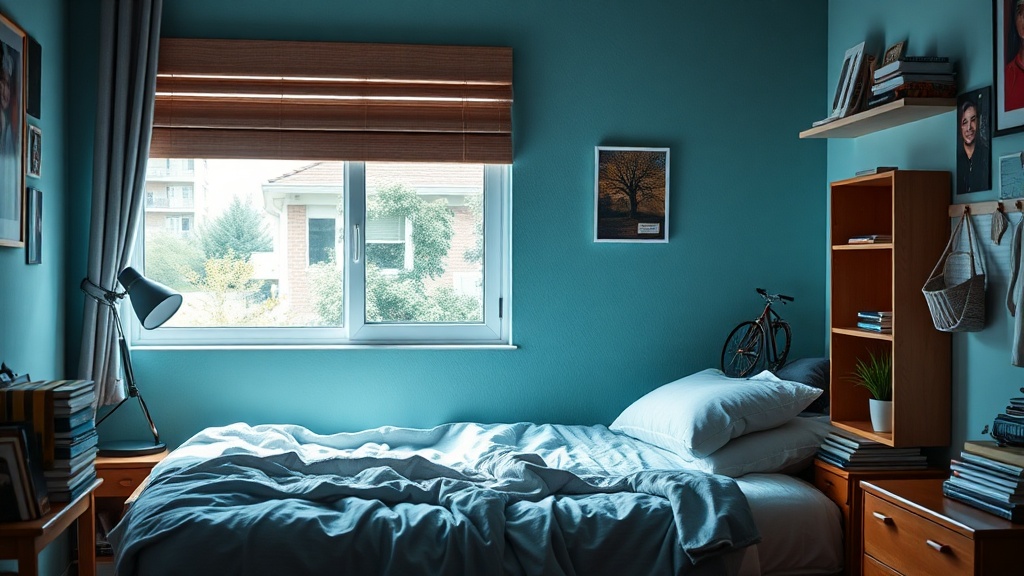
10 Dorm Room Essentials Every College Freshman Needs for a Successful First Year

Space-Saving Storage Solutions
Comfortable Bedding for Better Sleep
Desk Lamp and Study Supplies
Mini Fridge and Microwave Combo
Noise-Canceling Headphones
Moving into a dorm room for the first time means facing a 200-square-foot blank slate with cinder block walls and industrial carpeting. This guide breaks down the ten items that actually make a difference between surviving and thriving during freshman year. No decorative fluff. No "nice to have" suggestions that'll collect dust by October. Just the gear that solves real problems — from sleep deprivation to storage crises to that weird smell every dorm seems to have.
What Do You Actually Need for a Dorm Room vs. What Can You Skip?
The short answer: focus on function first, aesthetics second. Every square inch of a dorm room counts, and most freshmen overpack by about 40%.
Here's the thing — that decorative neon sign looks great on TikTok dorm tours, but it won't help when you're pulling an all-nighter and need actual task lighting. Same goes for the fancy throw pillows (they'll end up on the floor) and the elaborate coffee station (the dining hall has better brew anyway).
The catch? You can't bring everything from home. Most dorms have strict policies about appliances, and fire codes ban anything with an open heating element. That means leaving the toaster, hot plate, and candles behind. Check your specific school's housing guidelines — places like NYU's residence life office publish detailed lists of prohibited items that'll save you from awkward move-in day confiscations.
Worth noting: the average dorm room clocks in at 12 feet by 15 feet. That's 180 square feet for sleeping, studying, storing a semester's worth of belongings, and occasionally hosting friends. Space efficiency isn't just smart — it's survival.
1. A Mattress Topper That Doesn't Suck
Dorm mattresses are essentially vinyl-covered bricks. The university provides them because they're waterproof and bedbug-resistant. Comfort isn't part of the equation.
A quality mattress topper transforms sleep from something you endure into something you actually get. Look for at least three inches of memory foam — anything thinner won't mask the springs poking through. The Tempur-Pedic TEMPUR-Adapt Topper runs around $200, but it'll last all four years (and probably grad school too). For a budget pick that still delivers, the Linenspa 3 Inch Gel Infused Memory Foam Topper costs under $60 and ships compressed in a box small enough to carry up stairs.
Don't cheap out here. Sleep deprivation impacts GPA more than most freshmen realize — we're talking measurable drops in test performance and retention. A 2019 study from the Sleep Foundation found that students getting fewer than six hours of sleep scored significantly lower on cognitive tests than their well-rested peers. That $60 topper pays for itself in academic performance.
2. A Shower Caddy That Won't Mildew
Communal bathrooms are a shared trauma. The walk there — usually in flip-flops, sometimes in a towel, occasionally while avoiding eye contact with that person from your 8 AM lecture — requires preparation.
Plastic mesh caddies are cheap. They're also mildew magnets that'll smell like wet dog by November. Spend the extra ten dollars on a Quick Dry Hanging Toiletry Bag or the LL Bean Personal Organizer — both hang on shower hooks and have ventilation that actually works.
Stock it with flip-flops (non-negotiable — foot fungus is real), microfiber towels (they dry fast and don't take up drawer space), and a waterproof phone case for those shower playlist emergencies.
3. Real Storage Solutions (Not Just More Bins)
Vertical space is your best friend. Those three feet between the top of your wardrobe and the ceiling? That's prime real estate.
The IRIS 3-Drawer Cart slides under most lofted beds and holds way more than fabric bins that collapse under weight. For the closet, ditch the thin wire hangers the school provides — they tangle and stretch out shoulders. Instead, grab Velvet Slimline Hangers from Target or IKEA. They grip clothes better and take up half the space.
Here's a comparison of the best under-bed storage options:
| Storage Type | Best For | Price Range | Durability |
|---|---|---|---|
| Plastic Drawer Carts (IRIS, Sterilite) | Daily access items, snacks, toiletries | $25-$40 | 4+ years |
| Soft Under-Bed Bags (SpaceSaver brand) | Seasonal clothes, extra bedding | $15-$25 | 2-3 years |
| Stackable Crates (Milk crate style) | Books, shoes, pantry items | $8-$15 each | Indestructible |
| Over-Door Organizers (Honey-Can-Do) | Shoes, cleaning supplies, accessories | $12-$20 | 3-4 years |
The cheapest option isn't always the smartest. Those $5 fabric bins from the dollar store? Their zippers fail by winter break. Invest in one solid system rather than replacing junk storage twice a year.
4. A Desk Lamp That Won't Wake Your Roommate
Library hours don't always align with when assignments are actually due. Sometimes you're typing at 2 AM while your roommate has an 8 AM class.
The BenQ e-Reading LED Desk Lamp adjusts color temperature — warm light for relaxing, cool light for focusing — and has a built-in ambient sensor that auto-dims based on room brightness. It's pricey at around $200, but the TaoTronics LED Desk Lamp offers similar features for under $50.
That said, any lamp is better than relying on the overhead fluorescent that makes everyone look like they're in a hospital. Look for something with a flexible neck, multiple brightness settings, and a USB charging port built into the base. You'll use that port more than you think.
5. A First Aid Kit That Goes Beyond Band-Aids
Campus health centers have limited hours. When you slice your finger opening a package at midnight or wake up with a fever during finals week, you need options.
Build a kit with: ibuprofen, acetaminophen, antihistamines (for both allergies and surprise allergic reactions), antibiotic ointment, assorted bandages, blister pads (walking across campus in new shoes is brutal), a thermometer, and stomach remedies. The Johnson & Johnson All-Purpose First Aid Kit covers basics, but supplement it with medications specific to your needs.
Store it somewhere accessible — not buried under winter clothes. When you need ibuprofen at 3 AM, you don't want to excavate your entire closet.
6. A Reliable Power Strip (With USB Ports)
Dorm rooms are notoriously outlet-poor. One per wall is generous — some older buildings have fewer.
The Anker PowerExtend USB-C 3 Capsule gives you three AC outlets and three USB ports in a compact strip that won't hog desk space. Look for surge protection — dorms have old wiring, and you don't want to fry your laptop during a thunderstorm.
Extension cords are usually banned (fire hazard), but power strips are generally allowed. Confirm your school's specific policy. Also: bring extra phone chargers. They disappear — lent to friends, left in lecture halls, mysteriously vanishing into the void.
7. A Laundry System That Prevents Chaos
The transition to doing your own laundry trips up more freshmen than calculus. Clothes get ruined. Colors bleed. Someone steals your socks from the dryer.
A Pop-Up Mesh Laundry Hamper collapses flat when not in use and has handles for carrying across campus. More importantly: buy a Foldable Laundry Basket (the Rubbermaid Hip Hugger is indestructible) to transport clean clothes back. Carrying wet laundry in your arms is a recipe for dropping underwear in the hallway.
Learn the basics before arriving: separate lights and darks, check pockets for pens (expensive mistake), never put wool in the dryer, and set a timer so your stuff doesn't get dumped on the floor by impatient hallmates. The Spruce's laundry guide covers everything your parents probably forgot to teach you.
8. A Mini Fridge That Fits Your Life
Not everyone needs one. If your dorm has a communal kitchen with fridge space and you're on the unlimited meal plan, skip it. But if you like late-night snacks, medication that needs refrigeration, or just want control over your own food storage, it's worth the investment.
The hOmeLabs Mini Fridge (3.3 cubic feet) fits under most desks and has a separate freezer compartment for ice cream emergencies. The Midea WHS-65L is smaller and cheaper — good for drinks and leftovers, not meal prep.
That said, check if your school rents mini fridges. Some campuses offer semester-long rentals cheaper than buying, and you don't have to move it home in May. Also: coordinate with your roommate. Two fridges in one room is absurd — and against fire codes in many dorms.
How Much Should You Actually Spend on Dorm Essentials?
Budget between $400 and $800 for quality basics that'll last all four years. Cheaper than that and you'll replace everything by sophomore year. More expensive and you're probably overspending on things you don't need.
The spending breaks down roughly like this: mattress topper ($50-200), storage solutions ($100-150), electronics and lighting ($100-200), bathroom and cleaning supplies ($50-100), bedding ($100-150), and miscellaneous (first aid, laundry, etc.) ($50-100). Sales matter — Target's college sales in July and August offer 20-30% off dorm essentials. IKEA works too if there's one nearby.
The catch? Don't buy everything before move-in. Talk to your roommate first. Coordinate who's bringing the mini fridge, the microwave (if allowed), the area rug. Duplicating big items wastes money and space.
9. A White Noise Machine or App
Dorms are loud. Thin walls, heavy doors, hallway conversations at 3 AM, that one person who plays music without headphones — silence isn't an option.
The LectroFan Classic generates non-looping white noise that masks sudden sounds without being annoying itself. At around $50, it's cheaper than noise-canceling headphones you can sleep in (those don't exist comfortably anyway). Free alternatives exist — the MyNoise app has customizable sound generators including "Dorm Room" specifically designed for this environment.
Some people prefer brown noise (deeper, more rumbling) or pink noise (balanced, like steady rain). Experiment before committing. Quality sleep in a dorm requires active sound management — earplugs alone won't cut it when the fire alarm goes off at 2 AM (and it will).
10. A Real Tool Kit (Yes, Really)
You will need to assemble furniture. Hang things. Fix wobbly desk chairs. Tighten loose screws that somehow loosen themselves every three weeks.
The Apollo Tools 39-Piece General Tool Set covers basics: hammer, screwdrivers, pliers, measuring tape, Allen wrenches (essential for IKEA furniture), and a level. It's compact, stores easily, and costs under $30. Borrowing from the RA works once. After that, you're the annoying neighbor.
Also pack: Command strips in multiple sizes (the only approved way to hang most things), duct tape (universal problem solver), and cable ties (tame the cord chaos behind your desk). The person on your hall with a tool kit becomes surprisingly popular during move-in week. Be that person.
What Are the Most Common Dorm Shopping Mistakes?
Freshmen overpack decorative items, underpack storage, and buy appliances before checking regulations. The result? Cluttered rooms, stressed students, and awkward conversations with RAs about confiscated hot plates.
Wait to see your actual room before buying organizational systems. Measure the closet. Check if the bed loft height is adjustable. Some dorms have built-in shelving that makes your planned storage redundant. Others have no storage at all. You can't know until you're standing in the space.
Also: don't bring high school trophies, extensive book collections, or your entire wardrobe. Dorm rooms force editing. Bring favorites, necessities, and things with actual function. Everything else stays home or goes into storage. The room will feel bigger, cleaner, and more manageable.
The best dorm setup isn't the one that looks like a Pinterest board. It's the one that supports your actual life — early mornings, late nights, spilled coffee, last-minute cramming, and all the messy reality of being a freshman. Get the basics right, stay flexible, and remember that whatever you forget, Amazon delivers to campus in two days anyway.