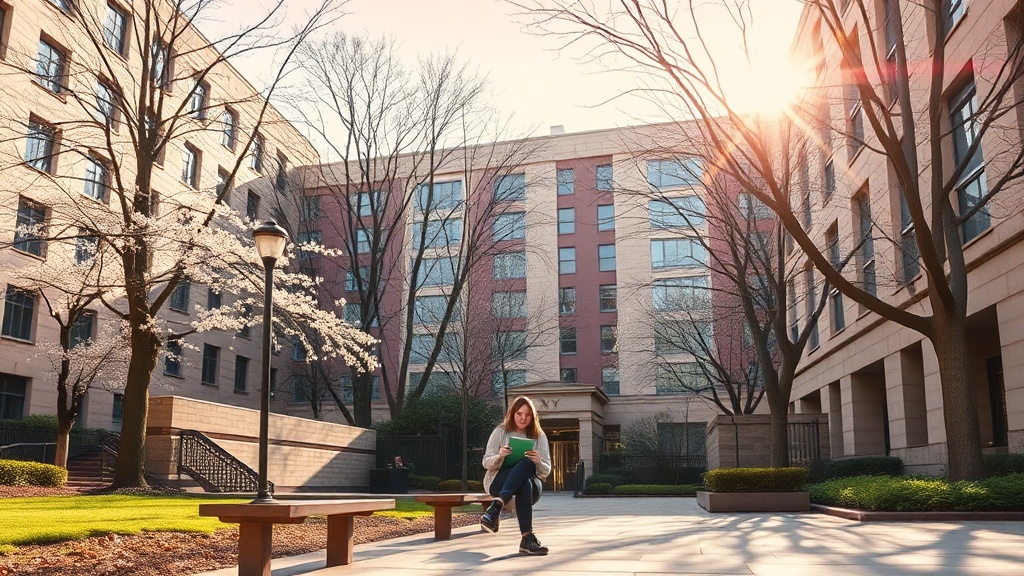
Bio‑Harmony Study Breaks: Sync Your NYU Study Routine with Natural Light

Ever feel like your brain hits a wall halfway through a study session? I’ve been there—staring at my notebook as the sun dips behind the Washington Square arches, wondering if I’m missing a hidden productivity hack. The answer might be as simple as syncing your study breaks with the natural light streaming across campus.
Why does natural light matter for NYU students?
Research shows that exposure to daylight boosts alertness, improves mood, and even sharpens cognitive performance (Harvard Health Publishing, 2023). In spring, NYU’s campus transforms: longer days, brighter skies, and more outdoor spaces that invite you to step away from the library. Bio‑harmony, the emerging lifestyle trend blending biology with daily habits, leverages exactly this seasonal shift.
How can I schedule study breaks around sunrise and sunset?
Here’s a step‑by‑step routine I’ve tested during my junior year:
- Check the day’s light schedule. Use the TimeandDate sunrise/sunset calculator for Manhattan. In late March, sunrise hits around 6:30 am and sunset around 7:30 pm.
- Front‑load your most demanding work. Tackle heavy reading or problem sets during the morning golden hour (roughly 7:00‑9:00 am) when your brain is naturally most alert.
- Take a 10‑minute “light break” mid‑morning. Walk to the nearest quad—Washington Square Park or the Bobst Library lawn—and soak up at least five minutes of direct sunlight. It reduces eye strain and resets your circadian cues (American Journal of Clinical Nutrition, 2018).
- Schedule a “golden‑hour study sprint” after lunch. Around 4:00‑5:00 pm, the light is still strong but softer, perfect for reviewing notes without the harsh glare of indoor lighting.
- End with a sunset wind‑down. Spend the last 15 minutes of your day outside watching the sunset. It signals your brain to transition toward relaxation, improving sleep quality for the next day’s early classes.
What if I can’t get outside during those windows?
NYU’s indoor spaces are getting brighter too. The new The Nest lounge features daylight‑mimicking LED panels that adjust to the outside sun’s intensity. Position your laptop near a window, or use a light therapy lamp set to 5,000 lux during study sprints.
How does bio‑harmony differ from basic circadian rhythm tips?
While circadian rhythm advice focuses on sleep‑wake cycles, bio‑harmony expands to micro‑environmental cues—light, posture, and even ambient sound. It’s about weaving these cues into every study break, not just the nightly routine. Think of it as “habit‑level daylight syncing” rather than a blanket bedtime rule.
Quick checklist for a bio‑harmony study day
- Morning: 7‑9 am – heavy study under natural light.
- Mid‑morning: 10‑10:10 am – 10‑minute outdoor light break.
- Afternoon: 2‑4 pm – moderate‑light review session.
- Late afternoon: 4‑5 pm – golden‑hour sprint.
- Evening: 6‑6:30 pm – sunset wind‑down walk.
Takeaway
By aligning your study breaks with NYU’s spring daylight, you’ll notice sharper focus, less eye fatigue, and a smoother transition to evening relaxation. Give this bio‑harmony routine a try this semester—track your energy levels, and you might just find the perfect rhythm for your campus hustle.
Related Reading
- Circadian Rhythm Eating: Spring Meal Timing for NYU Students – How meal timing pairs with daylight.
- Daylight Saving Shift: NYU Student Guide to Better Sleep and Spring Productivity – Managing the clock change.
- The Sacred Irrationality of Pre‑Exam Rituals – Rituals that actually help.