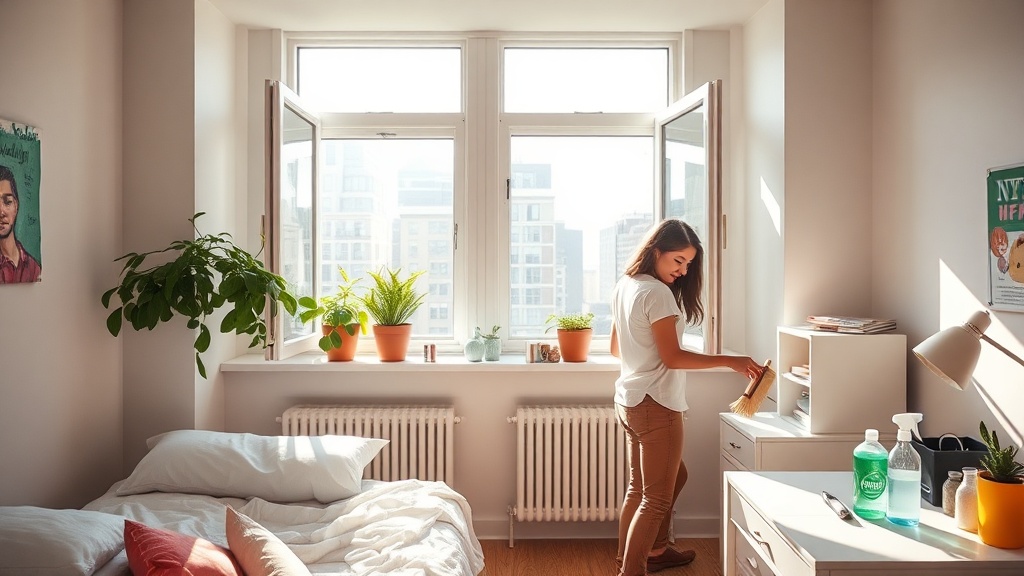
Eco-Friendly Spring Cleaning Guide for NYU Dorms: A Step-by-Step Routine

Why a Sustainable Spring Clean Matters for NYU Students?
Spring is the perfect time to refresh your living space, but it’s also a chance to make choices that protect the planet. At NYU, dorm life means shared spaces, limited storage, and a community that benefits when you reduce waste and chemicals. A greener clean not only improves air quality for you and your roommates, it also aligns with the campus’s growing sustainability initiatives.
What Are the Core Principles of Eco‑Friendly Dorm Cleaning?
Before you grab any product, consider these three pillars:
- Reduce, Reuse, Recycle – Choose what you already have before buying new.
- Non‑Toxic Ingredients – Opt for plant‑based cleaners that won’t irritate lungs or waterways.
- Energy & Water Efficiency – Clean in a way that saves electricity and water.
Step‑by‑Step Sustainable Spring Cleaning Routine
1. Declutter with a Zero‑Waste Mindset
Start by sorting everything on your desk, shelves, and floor. Use three boxes: Keep, Donate, and Recycle. For items you’re unsure about, place them in a “Maybe” bin and revisit after a week.
Need inspiration for repurposing? Check out our DIY Dorm Décor: 3 Upcycled Projects for a Spring Refresh for creative ways to turn old mugs, fabric scraps, and cardboard into functional décor.
2. Choose Green Cleaning Solutions
Most store‑bought cleaners contain synthetic fragrances and surfactants that linger in the air. Here are three DIY recipes that work well in a dorm setting:
- All‑Purpose Spray: Mix 1 cup distilled water, 1/2 cup white vinegar, 10 drops lemon essential oil. Store in a reusable spray bottle.
- Glass & Mirror Cleaner: Combine 1 cup water, 1/4 cup rubbing alcohol, 1 tablespoon cornstarch, 5 drops tea tree oil.
- Floor Cleaner (hardwood or laminate): 1/2 cup water, 1/2 cup apple cider vinegar, a pinch of baking soda, a few drops eucalyptus oil.
These formulas are safe for roommates with allergies and won’t damage NYU’s dorm furnishings.
3. Clean Efficiently to Save Energy
Turn off lights and unplug electronics while you work. If you need a vacuum, choose a model with a HEPA filter to capture dust without releasing it back into the air. For laundry, wash bedding in cold water and hang‑dry when possible – it reduces both electricity and water use.
4. Freshen the Air Naturally
Instead of aerosol air fresheners, place a few EPA‑approved indoor plants like spider plant, snake plant, or pothos near windows. They absorb pollutants and add a calming green vibe that fits NYU’s spring vibe.
5. Maintain Your Clean Space
Schedule a quick 10‑minute tidy‑up every weekday. Use a reusable microfiber cloth for surfaces, and keep a small basket of eco‑friendly wipes for spills. Consistency prevents the need for deep‑cleaning marathons later in the semester.
How Does This Routine Fit Into NYU’s Sustainability Goals?
NYU’s Urban Gardening Initiative encourages students to grow food and improve air quality on campus. By adopting a low‑impact cleaning routine, you complement these efforts and demonstrate personal responsibility for a greener campus.
Quick Wins for Dorm‑Living Students
- Swap disposable wipes for reusable cloths.
- Use a refillable bamboo brush instead of plastic scrubbers.
- Collect rainwater (if allowed) for watering plants.
- Set a timer for a 15‑minute “speed clean” to keep the habit fun.
Takeaway: Your Dorm Can Be Fresh, Clean, and Sustainable
By following this step‑by‑step guide, you’ll enjoy a tidy living space, breathe cleaner air, and contribute to NYU’s broader sustainability mission. Start today, share your progress on TikTok with #CampusChroniclesEcoDorm, and inspire your roommates to join the green cleaning movement.
Steps
- 1
Declutter with a Zero‑Waste Mindset
Sort everything into Keep, Donate, Recycle, and Maybe bins; use the “Maybe” bin for items you’re unsure about and revisit in a week.
- 2
Choose Green Cleaning Solutions
Make DIY all‑purpose, glass, and floor cleaners using vinegar, water, essential oils, and other non‑toxic ingredients.
- 3
Clean Efficiently to Save Energy
Turn off lights, use a HEPA‑filter vacuum, wash bedding in cold water, and hang‑dry whenever possible.
- 4
Freshen the Air Naturally
Place EPA‑approved indoor plants like spider plant or pothos near windows to absorb pollutants.
- 5
Maintain Your Clean Space
Do a 10‑minute tidy‑up each weekday with reusable microfiber cloths and eco‑friendly wipes.