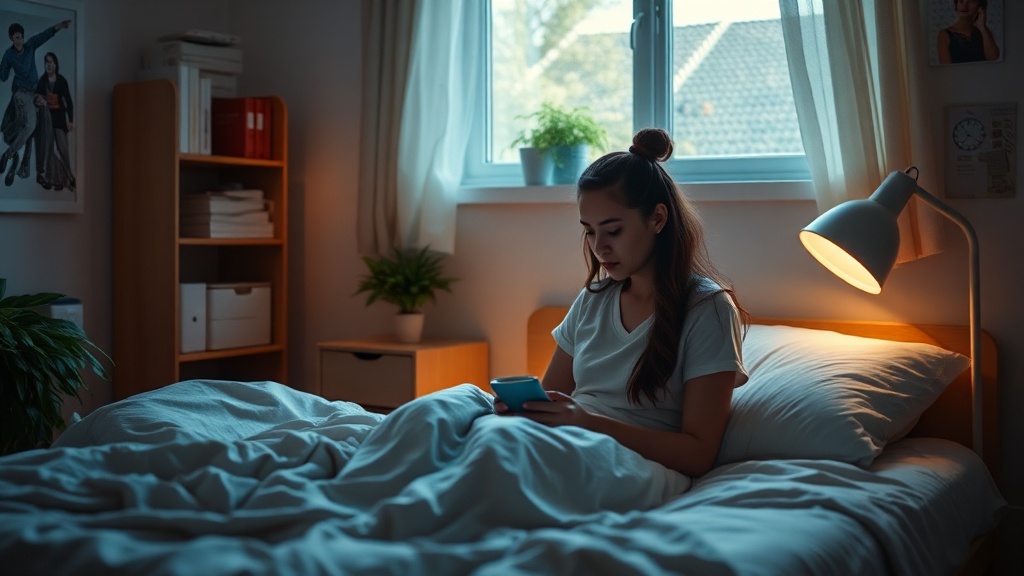
How to Build a Sustainable Morning Routine That Actually Works in a Dorm

This guide breaks down exactly how to build a morning routine that survives the chaos of dorm life — noisy hallways, shared bathrooms, zero counter space, and 8 AM classes you'd rather skip. A solid morning routine isn't about waking up at 5 AM to meditate for an hour. It's about creating a repeatable sequence that grounds you before the day spirals into group projects, dining hall lines, and last-minute syllabus changes. Whether you're a freshman still figuring out the laundry room or a senior juggling internships and thesis drafts, these strategies are designed for real dorm constraints.
What time should you wake up for a college morning routine?
You should wake up at least 60 to 90 minutes before your first commitment — class, work, or practice — to avoid rushing through your morning like it's a timed obstacle course. That buffer isn't about productivity theater. It's about giving your brain time to transition from sleep to full alertness without the cortisol spike of a sprint to lecture.
Here's the thing: most college students are running on chronic sleep deprivation. The CDC reports that adults aged 18 to 25 need 7 to 9 hours of sleep per night, yet dorm culture glorifies all-nighters and 2 AM ramen runs. A sustainable morning routine starts the night before. If your earliest class is at 9 AM, a 7:30 AM wake-up time is realistic — but only if you're in bed by 11 PM or midnight. That said, consistency matters more than the exact hour. Waking up at the same time every day (yes, including weekends) anchors your circadian rhythm far better than any alarm app.
The catch? Roommates. If you share a space, your alarm is their alarm. Consider a sunrise alarm clock like the Philips SmartSleep Wake-Up Light — it simulates natural dawn and often wakes you gently without jarring your roommate out of REM sleep. Or use a vibrating alarm like the Shock Clock 3 if you're a heavy sleeper who doesn't want to be that person.
How do you build a morning routine in a tiny dorm room?
You build it by shrinking every step to fit a 12x19 foot box — which means multifunctional products, vertical storage, and zero reliance on a full kitchen or private bathroom.
Dorm rooms aren't built for morning rituals. The desk doubles as a vanity. The floor is often carpeted (why?). And the only sink might be down the hall. So the best routines are modular — broken into small chunks you can do in different locations. Stretching happens on the rug. Skincare happens at the shared sink. Breakfast happens at the micro-fridge station.
Worth noting: clutter kills momentum. If you're digging through a plastic bin for your face wash at 7:45 AM, the routine dies fast. Use a 3-tier rolling cart (the IRIS USA Slim Cart fits in most dorm closets) to corral your morning essentials — skincare, supplements, hair products, one reliable snack. Roll it to wherever you're getting ready.
For movement, you don't need a yoga studio. A 10-minute routine on a Manduka PRO Yoga Mat (or a cheap Amazon Basics version) works fine between the bed and desk. Apps like Nike Training Club offer free bodyweight workouts under 15 minutes. Even five minutes of stretching and deep breathing signals to your body that sleep mode is over.
What should you eat for breakfast when you only have a microwave?
You should prioritize protein and complex carbs — not just a granola bar — because they stabilize blood sugar and keep you full through back-to-back lectures.
The dorm breakfast canon usually runs to Pop-Tarts and instant oatmeal. But here's the thing: sugar crashes by 10:30 AM aren't a personality trait, they're a nutritional choice. With just a microwave, mini-fridge, and maybe a single-serve blender, you can assemble a decent morning meal.
| Breakfast Option | What You Need | Time | Pros | Cons |
|---|---|---|---|---|
| Microwave scrambled eggs | Eggs, mug, fork, salt | 90 seconds | High protein, dirt cheap | Can explode if overheated |
| Overnight oats | Oats, milk, jar, fridge | Prep at night, eat in 30 seconds | No cooking, customizable | Needs foresight |
| Frozen breakfast burrito | Amy's Breakfast Burrito or similar | 3 minutes | Convenient, savory | Higher sodium, pricier |
| Smoothie | NutriBullet Pro, frozen fruit, spinach, protein powder | 2 minutes | Nutrient-dense, portable | Cleanup required, noise |
If you want a hot drink, a Keurig K-Mini or a French press takes up almost no space. Skip the sugary creamers. A splash of oat milk and a pinch of cinnamon do the job. And yes — Mayo Clinic research suggests that people who eat a balanced breakfast tend to have better concentration and memory throughout the morning. That's not a small thing when you're sitting through organic chemistry.
How do you stay consistent with a morning routine in college?
You stay consistent by designing the routine around your actual schedule — not an aspirational one — and by forgiving yourself when late nights or exams blow it up.
College is unpredictable. A roommate crisis at 1 AM, a paper due at noon, a spontaneous decision to attend a Tuesday concert — these things happen. The mistake most students make is abandoning the routine entirely after one bad morning. The fix? Build in a "minimum viable routine" — the smallest version you can do in 10 minutes when everything else falls apart.
That minimum might look like: drink water, splash face, eat a banana, check calendar. Done. It's not glamorous. But it keeps the habit loop intact. Apps like Habitica or even a simple paper checklist taped to the mirror can help — though be careful not to gamify yourself into guilt.
Social accountability works too. If your roommate is also trying to wake up earlier, agree to a no-snooze pact. (Bribes involving coffee work well.) On the flip side, don't let your routine become performative. If you're spending 45 minutes on a skincare routine because TikTok told you to, but you're skipping breakfast and sprinting to class — something's off.
What if you're just not a morning person?
You don't have to be. A sustainable morning routine isn't about becoming someone who loves sunrise — it's about reducing friction so mornings feel manageable instead of miserable.
Night owls often force themselves into early wake-ups and then burn out by Wednesday. That's a recipe for inconsistency. If your classes start at 10 AM or later, respect your chronotype. A "morning" routine that starts at 9 AM is still a morning routine. The same principles apply: prep the night before, protect your sleep, build in buffer time, and hydrate before caffeine.
That said, some professors don't care about your sleep preferences. For unavoidable early classes, the Sleep Foundation recommends limiting blue light exposure 30 to 60 minutes before bed, keeping your dorm room cool, and avoiding caffeine after 2 PM. Small environmental tweaks — a white noise machine like the LectroFan Micro2, blackout curtains from IKEA, or even just a consistent pre-bed playlist — can shift your sleep window earlier without sheer willpower.
The best dorm morning routine is the one you'll actually do. It doesn't require a private bathroom, a full kitchen, or the discipline of a Division I athlete. It requires one good alarm, one reliable breakfast, and one small ritual that makes you feel like you've got a handle on the day — even if the rest of it descends into syllabus shock and dining hall mystery meat. Start small. Adjust weekly. And remember: showing up fed, hydrated, and marginally awake is already more than half the battle.