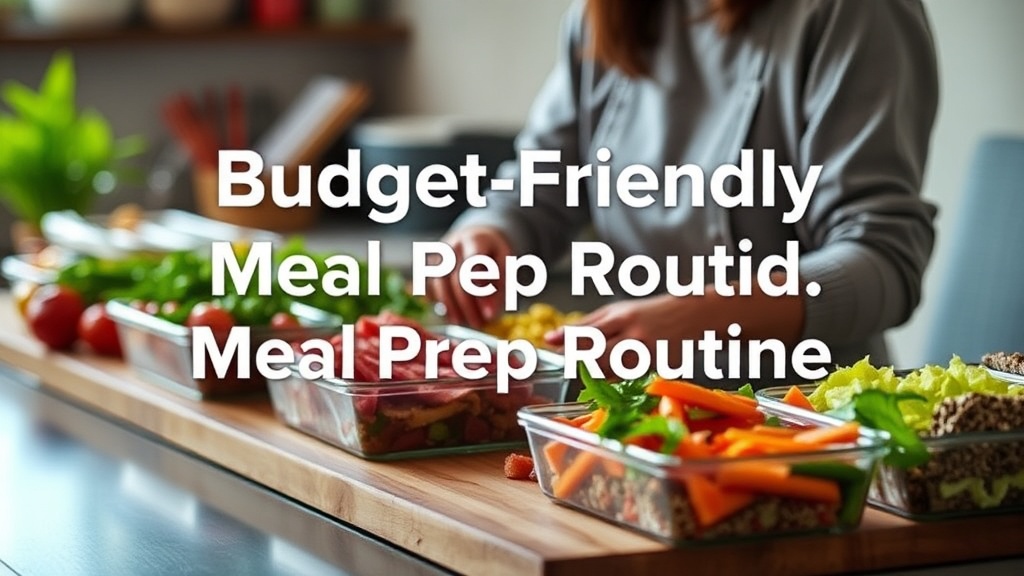
How to Set Up a Budget Friendly Meal Prep Routine

The fluorescent lights of the campus convenience store hum overhead, illuminating a shelf of $12 pre-made Caesar salads and overpriced frozen burritos. For most students, this is the default way to eat: a cycle of expensive, low-nutrient convenience that drains a bank account by the third week of the month. Setting up a budget-friendly meal prep routine is about more than just saving money; it is a strategic way to reclaim your time and maintain your energy levels during midterms and finals. This guide provides a step-by-step framework for planning, shopping, and preparing meals that fit a student budget without requiring a professional chef's kitchen.
Phase 1: The Inventory and Planning Stage
Before you step foot in a grocery store, you need to audit what you already own. Many students waste money by buying a jar of expensive spices or a bottle of olive oil that they only use once. Look in your dorm or apartment pantry for staples like salt, pepper, dried oregano, or even a half-used bag of rice. Knowing your starting point prevents redundant purchases.
Once you know your inventory, use a "base ingredient" strategy. Instead of picking ten different recipes, pick three core ingredients that can be repurposed across multiple meals. For example, if you buy a large bag of brown rice, it can serve as the base for a Mediterranean bowl on Monday, a stir-fry on Wednesday, and a breakfast rice pudding on Friday. This reduces the complexity of your shopping list and ensures you actually use everything you buy.
The Weekly Menu Template
Do not attempt to cook a new, complex dish every single night. This leads to burnout and an inevitable return to takeout. Instead, use a tiered approach to your weekly menu:
- The Anchor Meal: One large batch of a protein or grain (like roasted chicken thighs or quinoa) that serves as a component for several meals.
- The One-Pot Meal: A hearty meal like chili or lentil soup that stays good in the fridge for 4-5 days.
- The "Emergency" Meal: A very simple, 5-minute meal like peanut butter on toast or a canned tuna salad for when you are too tired to actually "prep."
If you find that your schedule is highly unpredictable, you might find that building a productive morning routine can actually assist your meal prep. If you prepare your breakfast or even your lunch the night before, you are less likely to skip a meal when an 8:00 AM class runs long.
Phase 2: Strategic Grocery Shopping
The most expensive way to shop is to walk into a grocery store without a list and buy whatever looks good in the moment. To keep costs low, you must shop with intention and utilize specific discount tactics.
Shop the Perimeter and the Bottom Shelf
Grocery stores are designed to put the most expensive, branded items at eye level. To find the best deals, look at the very bottom shelves for generic or store brands. For example, a bag of "Great Value" or "365" brand beans will cost significantly less than a branded version, despite having the same nutritional profile. Additionally, focus your shopping on the perimeter of the store—where the produce, grains, and proteins live—rather than the middle aisles filled with processed snacks and sodas.
The Power of Frozen and Canned Goods
Fresh produce is often the first thing to go bad in a student kitchen, leading to wasted money. To combat this, lean heavily on frozen vegetables. Frozen spinach, broccoli, and mixed berries are flash-frozen at peak ripeness, meaning they are often more nutritious than the "fresh" produce that has been sitting on a truck for a week. They also won't rot in your fridge if you end up staying late at the library to study.
Canned proteins and legumes are also essential. Chickpeas, black beans, and canned tuna are incredibly cheap ways to add protein to any meal. A single can of chickpeas can be rinsed, seasoned with garlic powder and cumin, and turned into a protein-rich salad or a wrap for a fraction of the cost of deli meat.
Phase 3: The Execution (The Prep Session)
Meal prepping is most effective when done in a single block of time. For most students, this is Sunday afternoon or Monday evening. You do not need a massive kitchen; even a small dorm kitchenette can handle basic prep if you are organized.
Batch Cooking Techniques
Instead of cooking individual portions, cook in bulk. If you are making pasta, cook the entire box. If you are roasting vegetables, fill the entire baking sheet. This maximizes the use of your stove or oven while it is already hot.
- The Sheet Pan Method: Chop sweet potatoes, bell peppers, and onions. Toss them in olive oil, salt, and pepper. Place them on a baking sheet alongside some chicken thighs or tofu blocks. Bake at 400°F (200°C) for 25-30 minutes. This provides three days' worth of components in one go.
- The Grain Boil: While your sheet pan is in the oven, boil a large pot of rice or farro. This can be stored in the fridge and added to salads or bowls throughout the week.
- The Protein Sear: Use a single skillet to cook a large batch of ground turkey or lentils. Season one half with taco seasoning and the other half with Italian herbs to create two distinct flavor profiles.
Storage and Safety
Invest in a set of uniform, airtight containers. Using mismatched Tupperware is frustrating and often leads to leaks in your backpack. Glass containers are ideal because they can go directly from the fridge to the microwave, but durable BPA-free plastic is more budget-friendly for a student.
Follow the 4-day rule: Most cooked proteins and grains are safe and tasty in the refrigerator for up to four days. If you are prepping for a full seven days, freeze the portions intended for Thursday through Sunday immediately after they have cooled. This prevents foodborne illness and ensures your Friday lunch doesn't taste like cardboard.
Phase 4: Maintaining the Habit
The biggest hurdle to meal prepping is the "Monday Motivation" trap—the idea that you will suddenly become a culinary expert once the week begins. To avoid this, keep your initial recipes extremely simple. If your first attempt is a complex five-course meal, you will likely abandon the habit by week two.
Keep your tools organized. Just as you might use a physical planner to keep track of your academic deadlines, use a dedicated notebook or a simple notes app on your phone to track your grocery list and meal ideas. This removes the mental load of deciding "what to eat" during a busy week, which is usually when students default to expensive takeout.
Lastly, allow for flexibility. If a friend invites you out for dinner on a Wednesday, don't feel guilty about skipping your prepped meal. The goal of meal prepping is to provide a safety net, not a rigid set of rules that prevents you from participating in campus social life. Use your prepped meals to save money on the days you stay in, so you have the budget to enjoy the days you go out.