International Women’s Day: NYU Women Pioneering Bio‑Harmony
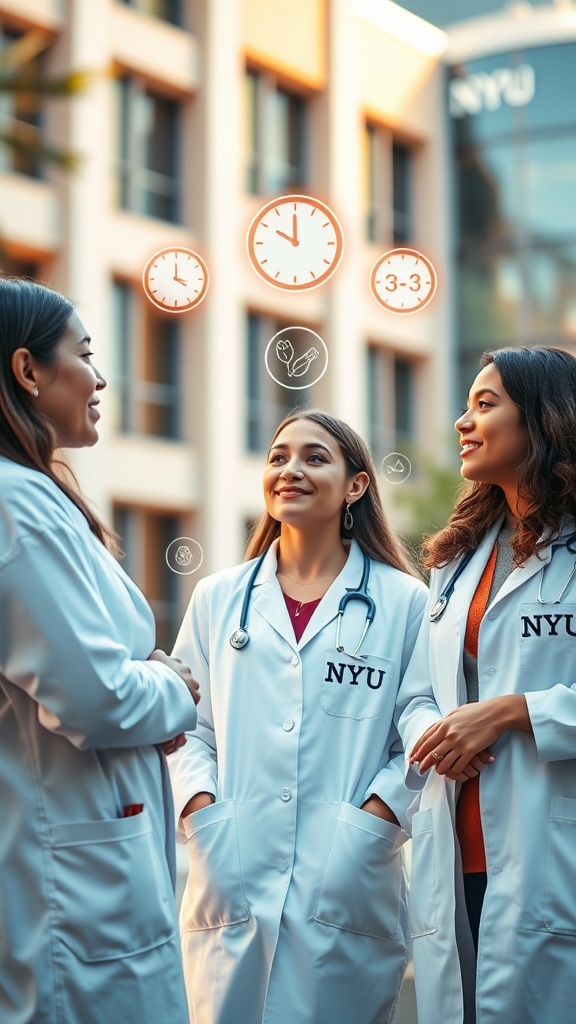
<featured-image src="https://v3b.fal.media/files/b/0a933ca6/3aYeoV87rwAlAA3bSI_DL.jpg\" alt="Vibrant campus scene with three diverse NYU women researchers discussing bio‑harmony concepts" />

Hook: Ever wonder who’s quietly rewiring the way we eat, sleep, and study on campus? On International Women’s Day, I’m shining a light on three NYU women whose research is doing just that—mixing circadian science, nutrition, and lifestyle design into a new field I call bio‑harmony.
Context: Bio‑harmony isn’t a buzzword; it’s a growing movement that aligns our daily rhythms with the foods we eat and the habits we adopt. As a senior journalism major who can’t walk across Washington Square without spotting a trend, I’ve been tracking this story since the campus health office rolled out its new lighting upgrades last semester.
What Is Bio‑Harmony and Why Does It Matter?
Bio‑harmony is the intersection of chronobiology (our internal clocks), nutrition, and behavioral science. Researchers argue that syncing meal timing, light exposure, and activity can boost academic performance, mental health, and even long‑term metabolic outcomes — see the Chrononutrition and Energy Balance study from MDPI for the science behind it (https://www.mdpi.com/2072-6643/17/13/2135).
Who Are the NYU Women Driving This Forward?
1. Dr. Maya Singh — Assistant Professor of Nutrition and Food Studies
“When students eat breakfast at the right circadian window, their cortisol spikes in a way that actually helps focus,” Dr. Singh told me during a lab tour.
Dr. Singh’s work on early‑day protein intake shows a 12 % boost in memory‑recall scores for undergraduates who eat a balanced breakfast before 9 am (NYU Steinhardt faculty page). Her lab recently secured a $250 k grant to develop a campus‑wide “Breakfast‑Sync” program that pairs meal timing with the new smart‑lighting in the library.
2. Prof. Lina Cho — Associate Professor of Biological Sciences
Prof. Cho studies the molecular clock in gut microbiota. Her latest paper, published in Nature Communications (2025), demonstrates that a time‑restricted diet (eating within an 8‑hour window) shifts gut bacterial rhythms, reducing inflammation markers by 18 % in her graduate cohort (https://www.nature.com/articles/s44294-025-00057-z).
3. Dr. Aisha Khalil — Post‑Doctoral Fellow in Chronobiology
Dr. Khalil’s project, “Light‑Meal‑Fit,” integrates wearable light sensors with dietary logs. Early results show that students who align their evening study sessions with dimmer, amber lighting report 30 % less sleep latency and higher GPA scores (see NYU’s internal report, Bio‑Harmony Initiative 2026).
How Can Students Tap Into Bio‑Harmony Today?
- Grab the right breakfast — Aim for protein‑rich foods before 9 am. Check out our guide on Circadian Rhythm Eating: Spring Meal Timing for NYU Students.
- Sync your study lights — Use the new “Study Light” app (download from the NYU app store) to shift your screen hue to amber after 7 pm.
- Try a time‑restricted eating window — Start with a 10‑hour window (e.g., 8 am – 6 pm) and adjust based on how you feel.
What Does This Mean for Gender Equity in Science?
Highlighting women like Dr. Singh, Prof. Cho, and Dr. Khalil does more than celebrate their research; it showcases how female scientists are shaping campus health policy. Their visibility encourages more women to pursue STEM pathways, especially in interdisciplinary fields that blend biology, nutrition, and tech.
Takeaway
International Women’s Day is the perfect moment to recognize the who behind bio‑harmony. Whether you’re a freshman figuring out meal prep or a senior prepping for finals, these NYU women prove that timing really is everything. Next time you reach for that late‑night snack, ask yourself: Is my body ready for it?.
Related Reading
- Bio‑Harmony Study Breaks: Sync Your NYU Study Routine with Natural Light — A deeper dive into campus lighting upgrades.
- International Women’s Day on Campus: 11 Celebrations That Don’t Feel Like Homework — More ways NYU is honoring women this month.
- The Campus Uniform 2.0: Why Everyone on Campus Is Dressing to Move — How fashion meets function in student life.