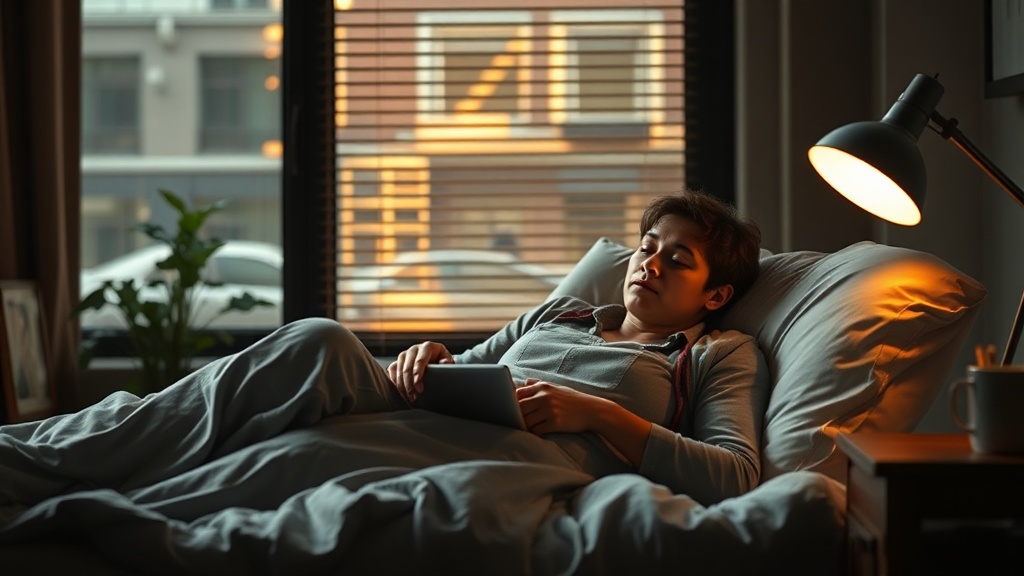
Swap Your Coffee for a Strategic Power Nap

Quick Tip
Keep your naps under 25 minutes to avoid sleep inertia and stay alert.
Are you currently staring at a half-empty espresso shot, wondering why you're still hitting a wall at 3:00 PM? While caffeine is the unofficial mascot of college life, relying on it too heavily can actually mess with your circadian rhythm and leave you feeling more drained. This post looks at why a timed nap might actually serve your GPA better than another double shot of espresso.
How long should a college student nap?
A strategic nap should last between 10 and s 20 minutes to avoid the dreaded "sleep inertia" that leaves you feeling groggy. If you sleep for an hour, you'll likely wake up feeling worse than before you laid down (and you'll probably miss your next seminar). Aim for the sweet spot—short enough to refresh, but not long enough to enter deep sleep stages.
Think of it like a quick system reboot rather than a full shutdown. You can use a Sleep Foundation guide to understand how different sleep stages affect your brain's ability to retain information. If you're in a loud dorm, you might need to pair this with your tools for finding flow in noisy environments, like noise-canceling headphones or a white noise app.
What are the best tools for a quick nap?
The best tools for a quick nap are portable, comfortable, and easy to pack in a backpack. You don't need a full bed setup—just a few essentials to make a library corner or a common room usable.
- A high-quality eye mask: Something like a Manta Sleep Mask to block out the harsh fluorescent lights of the library.
- Comfortable headphones: A pair of Sony WH-1000XM5s can help drown out the chatter of nearby students.
- A travel pillow: A small, inflatable neck pillow makes a desk-nap much more tolerable.
How can I nap without feeling groggy?
To avoid waking up in a fog, set an alarm for exactly 20 minutes and try to nap in a seated or slightly reclined position. This prevents you from falling into a deep sleep cycle. A common trick is the "Coffee Nap"—drink a quick cup of coffee right before you lay down. Since caffeine takes about 20 minutes to kick in, the timing aligns perfectly with your alarm.
It's a bit of a science experiment, but it works. If you're worried about your sleep quality, you can check out the CDC guidelines on sleep hygiene for more evidence-based advice. It's a much better long-term strategy than living on a diet of energy drinks and sheer willpower.