5 Hidden Study Spots on Campus You’ve Never Visited

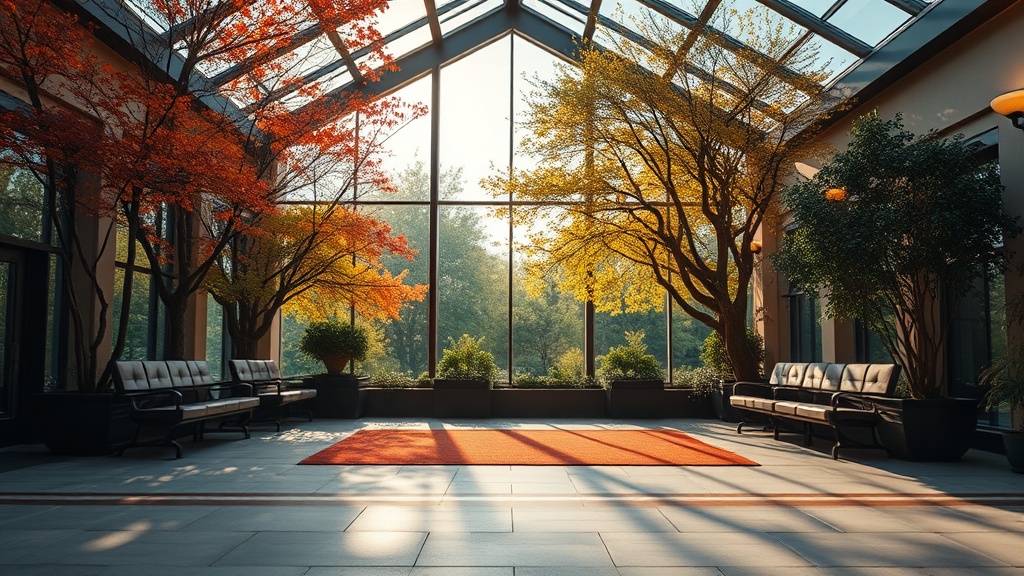
The Botanical Garden Conservatory
The Third-Floor Architecture Studio
The Old Chapel Reading Room
The Student Union Mezzanine
The Empty Seminar Room in the Humanities Hall
It is a universal truth of the collegiate experience: the library is a battlefield. We have all been there—wandering through the stacks of Bobst with a heavy backpack and an even heavier sense of dread, only to find every single carrel occupied by a laptop, a half-empty iced coffee, and a student who has clearly claimed that territory for the next six hours. The search for the "perfect" study spot is more than just a quest for a chair; it is a search for a specific cognitive environment. Whether you need the white noise of a bustling cafe or the monastic silence of a secluded corner, your surroundings dictate your productivity.
As someone who has spent more time navigating the micro-geographies of this campus than I care to admit, I’ve realized that the most effective study zones are rarely the ones featured in the glossy brochures. The high-traffic areas are often too loud, too bright, or simply too distracting. To truly master your output, you need to look toward the periphery. Finding a niche space allows you to enter a state of flow without the constant interruption of foot traffic or the visual noise of a crowded lounge. If you are looking to optimize your mental clarity, you might also want to explore how to master the art of deep work between classes to ensure that once you find your spot, you actually make the most of it.
Below, I have curated a list of five hidden gems on and around campus that offer varying degrees of solitude, aesthetic inspiration, and functional utility. From the high-ceilinged grandeur of specialized libraries to the quiet corners of neighborhood cafes, these are the spots where the real work happens.
1. The Specialized Departmental Libraries
Most students default to the main university library, but the true "pro-tip" is to head toward the departmental libraries. These are the smaller, niche collections tucked away in specific buildings—think Art, Philosophy, or even the more obscure language departments. These spaces are often overlooked by the general student body, which means they are significantly quieter and possess a much more curated atmosphere.
The Vibe: These libraries often feel like something out of a Dark Academia film. You’ll find heavy wooden tables, the scent of old paper, and a level of silence that is almost reverent. The lighting is usually softer, which is easier on the eyes during long night sessions.
Why it Works: Because these spaces are intended for specific majors, the demographic is much more focused. You aren't competing with a group of freshmen having a loud debate; you are surrounded by people who are deeply immersed in their specific disciplines. This collective focus can be infectious. However, keep in mind that these spaces are often subject to different hours than the main library, so check the departmental website before making the trek.
Pro-Tip: If you find yourself studying in a departmental library during the late hours, ensure you are also eating with your circadian rhythm to maintain your energy levels. The heavy, dim lighting of these libraries can sometimes trigger a sense of lethargy if your nutritional timing is off.
2. The "Third Space" Neighborhood Cafes (Off-Campus)
Sometimes, the walls of the university start to feel a little too close. When the academic pressure begins to feel claustrophobic, the best remedy is to change your zip code, even if it is only by a few blocks. The "Third Space"—a term used to describe social surroundings separate from the two usual environments of home and work—is essential for mental longevity.
The Vibe: I am looking for the cafes that don't have "student" written all over them. Avoid the chains with bright lighting and loud pop music. Instead, look for the independent shops with low-fi jazz, mismatched furniture, and a consistent hum of conversation. This "ambient noise" is actually a scientifically proven productivity booster for many.
Why it Works: The presence of other people working—without the direct interaction—provides a sense of "body doubling." This is a psychological phenomenon where the presence of another person performing a task helps you stay on track with your own. A cafe provides the perfect balance of social stimulation and individual isolation.
Actionable Advice: When choosing a cafe, look for "the golden rule of the outlet." Never settle for a spot without a power source. Before you even order your oat milk latte, scan the room for available outlets. If you are planning a long session, you might also want to look into bio-harmony and eating patterns to ensure your caffeine intake doesn't lead to a mid-afternoon crash while you're stuck in a corner booth.
3. The Upper-Floor Conservatory or Atrium Lounges
If your study style requires a sense of openness and "breathable" space, look upward. Many of our campus buildings feature multi-story atriums or conservatory-style lounges that are often neglected in favor of the standard desk-and-chair setups found on the lower floors.
The Vibe: High ceilings, natural light, and a sense of verticality. These spaces are often filled with greenery, which can significantly reduce cortisol levels. There is something about looking up at a glass ceiling while working through a complex thesis that makes the problem feel a little more manageable.
Why it Works: Natural light is a crucial component of cognitive function. While the lower floors of many campus buildings can feel subterranean and draining, the atriums provide a connection to the time of day and the weather outside. This connection helps prevent the "time-blindness" that often occurs during intense study marathons.
A Note on Maintenance: If you find yourself studying in these communal, high-visibility areas, remember that keeping your workspace clean is part of the etiquette. As the semester progresses, you might find it helpful to follow a step-by-step routine for spring cleaning to ensure your personal belongings and tech are kept in top shape, even when you're working in public spaces.
4. The Quiet Floor of the Graduate Student Center
There is a certain unspoken rule in academia: the higher the degree, the quieter the room. The Graduate Student Center (or similar graduate-only lounges) often serves as a sanctuary for undergraduates who need a level of silence that the standard undergrad lounges simply cannot provide.
The Vibe: Extremely quiet, highly professional, and occasionally a bit intimidating. This is not the place for a group study session or a quick FaceTime call with your parents. It is a space designed for deep, uninterrupted concentration.
Why it Works: The demographic shift is key here. Graduate students are often working on dissertations or complex research, meaning the "noise threshold" in these areas is much higher. You won't find people laughing loudly or playing music through their speakers here. It is a high-stakes environment that naturally encourages high-stakes productivity.
The Etiquette: Always be mindful of the "volume of your presence." This includes the sound of your laptop charger hitting the table, the crinkle of a snack bag, or the heavy sigh of frustration. In these spaces, even the smallest sound can feel like a disruption.
5. The Botanical Gardens or Campus Green Spaces (Weather Permitting)
For those who find that indoor environments—no matter how quiet—become stifling, the answer is to take the work outside. If the weather permits, the campus green spaces or nearby botanical gardens are the ultimate "reset" button for your brain.
The Vibe: Unstructured, organic, and expansive. Instead of a desk, you might have a blanket; instead of a ceiling, you have the sky. It is the antithesis of the rigid academic structure.
Why it Works: "Attention Restoration Theory" suggests that urban environments and intense academic work drain our cognitive resources, while natural environments allow them to replenish. A few hours of studying under a tree can actually make your subsequent indoor study session more productive because you have allowed your brain to "reset" through soft fascination (the way leaves move in the wind or clouds drift by).
Practical Advice: Do not attempt this without a plan. You need a portable power bank, a way to protect your tech from the elements (a waterproof sleeve is a lifesaver), and a way to keep your workspace organized. If you are transitioning from a cluttered dorm to an outdoor study session, make sure you’ve already tackled your sustainable dorm cleaning so you aren't carrying unnecessary clutter with you.
Summary Checklist for the Perfect Study Session
Before you head out to any of these locations, run through this quick checklist to ensure you aren't just moving your frustration to a new location:
- Power Check: Do I have my charger and a portable power bank?
- Sensory Prep: Do I have noise-canceling headphones or a curated playlist?
- Hydration & Nutrition: Do I have water and a snack that won't create a mess?
- Digital Hygiene: Have I closed all unnecessary tabs to minimize digital distraction?
- Environment Alignment: Does this location match my current task (e.g., a cafe for light reading, a departmental library for heavy writing)?
Finding your "why" in the middle of a chaotic semester is hard enough. Don't let your physical environment be the thing that holds you back. Whether you are looking ahead to landing a summer internship or just trying to survive your midterms, the right space can make all the difference.